

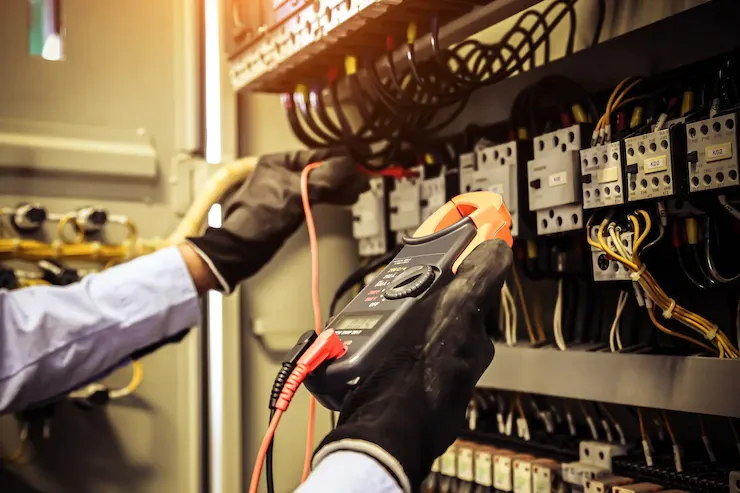
Electrical systems form the backbone of modern buildings in Thailand, where the tropical climate and unique architectural styles create specific challenges and opportunities. From traditional shophouses in Bangkok to contemporary condominiums in Phuket, proper electrical planning ensures safety, efficiency, and compliance with local regulations. The complexity of these systems often requires expertise that goes beyond basic installation work.
Professional electrical planning involves comprehensive assessment of power requirements, load calculations, and strategic placement of electrical components. In Thailand’s humid climate, factors such as moisture protection, heat dissipation, and monsoon-resistant installations become paramount. An experienced electrical design company understands these environmental challenges and incorporates appropriate solutions from the initial planning stage.
The consequences of poor electrical planning extend far beyond simple inconvenience. Inadequate wiring can lead to frequent power outages, increased electricity bills, and serious safety hazards including electrical fires. In commercial spaces, these issues translate to lost productivity and potential revenue loss, whilst residential properties may face expensive retrofitting costs later.
Thailand’s electrical code requirements are comprehensive and regularly updated to reflect international standards whilst addressing local conditions. Professional designers stay current with these regulations, ensuring that new installations meet all legal requirements. They understand the nuances of Thai electrical standards, including specific requirements for grounding systems in high-humidity environments and proper installation techniques for buildings prone to settling.
Modern electrical design goes beyond basic power distribution. Today’s buildings require sophisticated systems for lighting control, security, communications, and smart home technology. Professional designers can integrate these systems efficiently, reducing installation costs and improving functionality. They consider future expansion needs, preventing costly modifications as technology evolves.
Commercial spaces in Thailand face unique electrical challenges. Shopping centres, hotels, and office buildings must accommodate high power demands whilst maintaining energy efficiency. Professional design ensures optimal load distribution, preventing overloading and reducing operational costs. This becomes especially important during peak usage periods when Thailand’s electrical grid experiences high demand.
The rapid growth of sustainable technology in Thailand creates additional considerations. Solar panel integration, electric vehicle charging stations, and energy-efficient lighting systems all require careful planning and coordination with existing electrical infrastructure. Professional designers can seamlessly incorporate these technologies whilst maintaining system reliability.
Proper electrical design also enhances property value. Buildings with well-planned electrical systems attract higher-quality tenants and command premium prices. Prospective buyers and tenants increasingly recognise the importance of modern, reliable electrical infrastructure, making professional design a worthwhile investment.
Safety remains the primary concern in electrical design. Thailand’s electrical accidents statistics highlight the importance of proper installation and design practices. Professional designers prioritise safety through appropriate circuit protection, proper grounding, and compliance with safety standards that protect occupants and property.
Investing in professional electrical design from the beginning saves money, ensures safety, and provides the foundation for reliable building operations. The expertise and attention to detail that professionals bring to each project create lasting value for property owners and occupants alike.