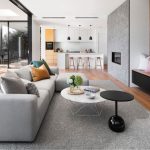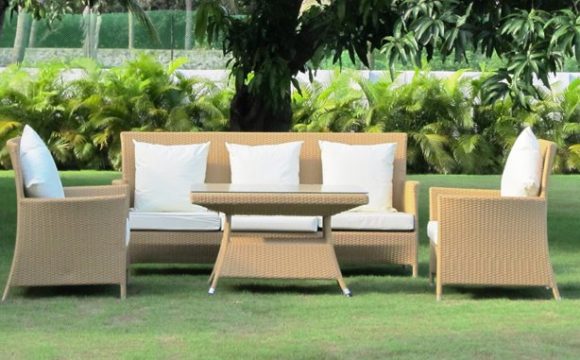

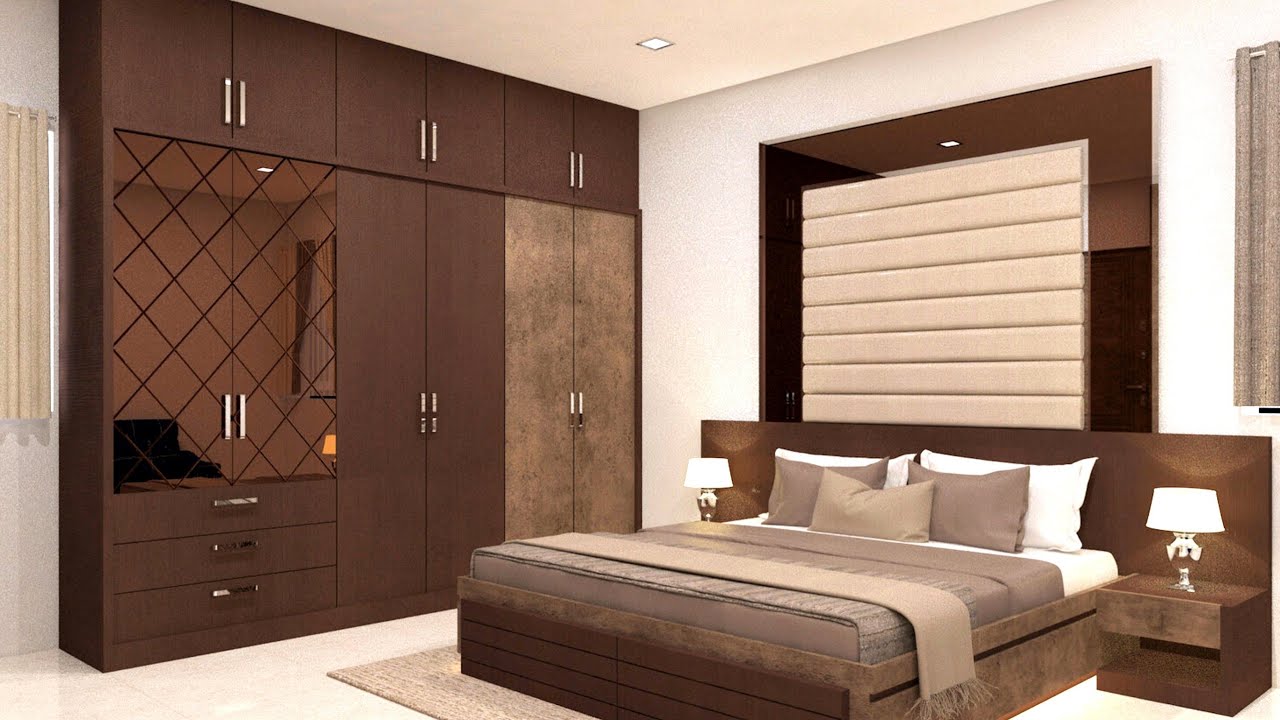
Furniture is more than a collection of objects placed inside a home or workspace. It defines comfort, shapes aesthetic identity, and supports the way people live, work, and relax. From a simple wooden chair to a thoughtfully designed modular sofa, furniture reflects culture, innovation, and personal taste.
In modern interiors, furniture balances utility and design, ensuring spaces are not only practical but also visually appealing and emotionally comforting.
The Evolution of Furniture Design
Furniture has evolved alongside human civilization. Early designs focused purely on function, while contemporary furniture blends art, technology, and ergonomics.
Key stages of evolution include:
-
Traditional furniture crafted from solid wood with intricate detailing
-
Industrial-era furniture emphasizing mass production and durability
-
Modern and minimalist styles prioritizing clean lines and space efficiency
-
Smart furniture integrating technology for convenience and adaptability
This evolution highlights how furniture continuously adapts to changing lifestyles and spatial needs.
Types of Furniture for Different Spaces
Every space serves a unique purpose, and furniture should align with that function.
Residential Furniture
Designed for comfort and personal expression, residential furniture includes:
-
Sofas and seating for relaxation
-
Beds and wardrobes for rest and storage
-
Dining tables and chairs for shared experiences
Office Furniture
Office furniture focuses on productivity and health:
-
Ergonomic chairs to support posture
-
Workstations and desks for efficiency
-
Storage units to maintain organization
Outdoor Furniture
Built to withstand environmental conditions, outdoor furniture often features:
-
Weather-resistant materials
-
Lightweight, portable designs
-
Functional layouts for leisure and gatherings
Materials That Define Quality
The choice of material significantly affects durability, appearance, and maintenance.
Common furniture materials include:
-
Solid wood – timeless, strong, and long-lasting
-
Engineered wood – cost-effective and versatile
-
Metal – modern, durable, and industrial in feel
-
Upholstered fabrics and leather – enhance comfort and luxury
-
Plastic and composites – lightweight and easy to maintain
Selecting the right material ensures furniture performs well while maintaining its visual appeal.
The Role of Ergonomics in Furniture
Ergonomics plays a crucial role in modern furniture design. Poorly designed furniture can lead to discomfort and long-term health issues, especially in work environments.
Well-designed ergonomic furniture:
-
Supports natural body posture
-
Reduces strain on muscles and joints
-
Improves focus and productivity
Investing in ergonomic furniture is not a luxury—it is a necessity for well-being.
Sustainable Furniture: A Growing Priority
Sustainability has become a major consideration in furniture manufacturing. Consumers increasingly prefer eco-friendly furniture that minimizes environmental impact.
Sustainable practices include:
-
Using responsibly sourced or recycled materials
-
Reducing chemical finishes
-
Designing furniture with longer life cycles
This shift benefits both the environment and consumers seeking ethical choices.
Choosing the Right Furniture for Your Space
Selecting furniture requires thoughtful planning rather than impulse buying.
Important factors to consider:
-
Room size and layout
-
Purpose of the furniture
-
Comfort and functionality
-
Maintenance requirements
-
Budget and long-term value
Well-chosen furniture enhances both the efficiency and atmosphere of any space.
Frequently Asked Questions (FAQ)
1. How do I choose furniture that fits a small space?
Opt for multi-functional and compact furniture, such as storage beds or extendable tables, and maintain a minimalist layout.
2. What is the most durable furniture material?
Solid wood and metal are considered among the most durable, especially when properly maintained.
3. How often should furniture be replaced?
Quality furniture can last 10–20 years or more, depending on usage, material, and care.
4. Is custom-made furniture better than ready-made furniture?
Custom furniture offers a perfect fit and personalization, while ready-made options are faster and often more affordable.
5. How can I maintain upholstered furniture?
Regular vacuuming, prompt stain removal, and occasional professional cleaning help extend its lifespan.
6. Why is ergonomic furniture important for home offices?
Ergonomic furniture reduces physical strain, supports posture, and improves comfort during long working hours.
7. What trends are shaping modern furniture design?
Current trends include minimalist aesthetics, sustainable materials, modular designs, and smart functionality.