
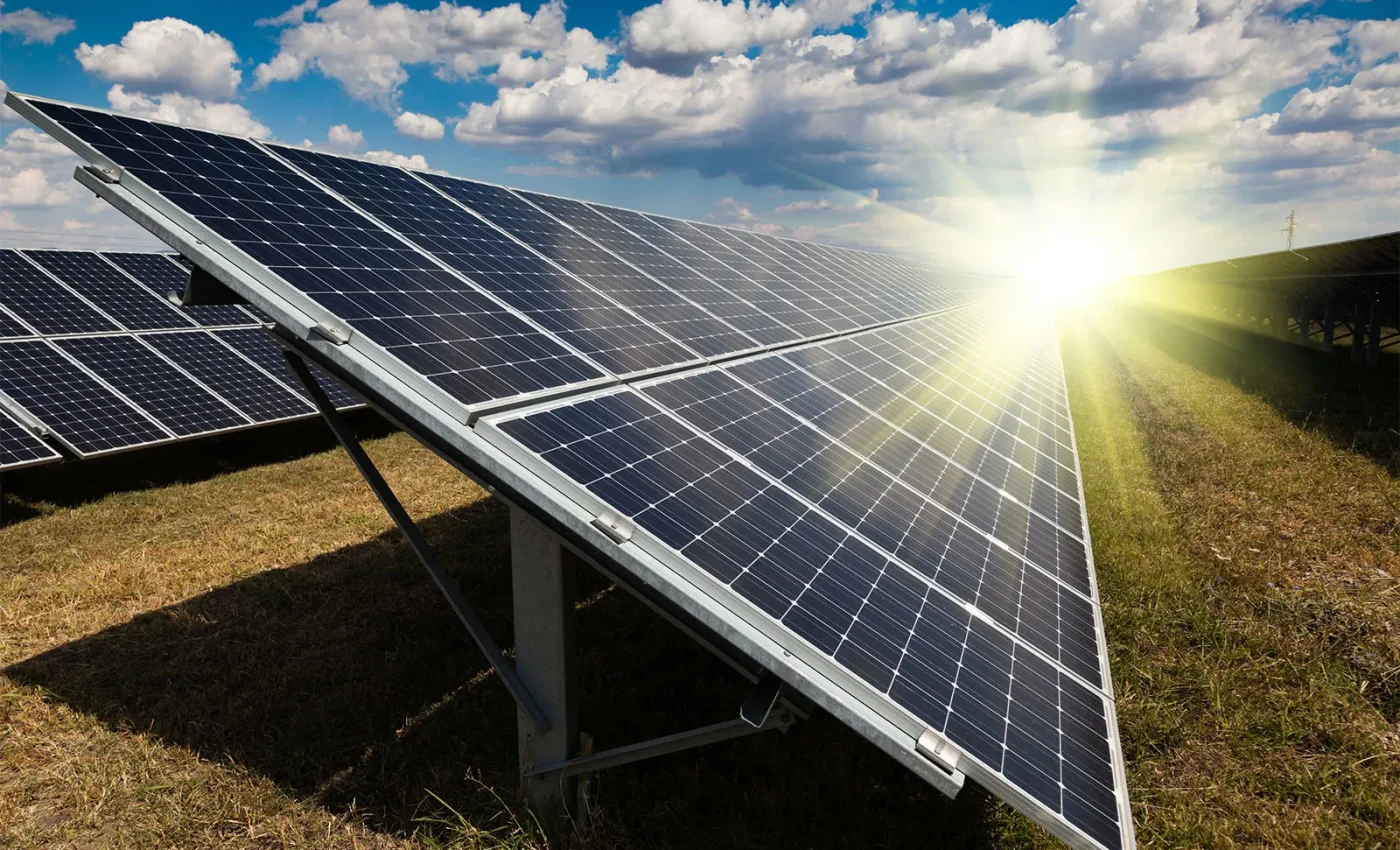
Solar energy has emerged as one of the most reliable and sustainable solutions to meet the world’s growing electricity demand. By converting sunlight into usable power, solar technology reduces dependence on fossil fuels while offering long-term economic and environmental benefits. As innovation accelerates and costs continue to fall, solar is no longer a niche alternative—it is becoming a mainstream energy source.
What Is Solar Energy?
Solar energy is energy harnessed from the sun’s radiation and converted into electricity or heat. This conversion is primarily achieved through photovoltaic (PV) cells, which generate direct current (DC) electricity when exposed to sunlight.
Solar systems are versatile and can be deployed at multiple scales, from small residential rooftops to large utility-scale solar farms.
How Solar Power Works
A standard solar power system follows a simple yet efficient process:
-
Sunlight hits solar panels, activating photovoltaic cells
-
DC electricity is generated within the panels
-
An inverter converts DC to AC electricity, suitable for household and commercial use
-
Electricity powers appliances, with excess energy stored in batteries or fed back into the grid
This seamless process allows solar systems to operate quietly, efficiently, and with minimal maintenance.
Types of Solar Energy Systems
Grid-Tied Solar Systems
These systems are connected to the public electricity grid.
Key benefits include:
-
Lower upfront cost
-
Ability to sell excess power back to the grid
-
No need for battery storage
Off-Grid Solar Systems
Designed for remote locations without grid access.
Advantages include:
-
Complete energy independence
-
Reliable power in rural or isolated areas
-
Battery storage for night-time use
Hybrid Solar Systems
A combination of grid-tied and off-grid features.
Why they stand out:
-
Backup power during outages
-
Flexible energy management
-
Increased energy security
Benefits of Solar Energy
Solar power offers a wide range of advantages that extend beyond cost savings.
Environmental Benefits
-
Zero greenhouse gas emissions during operation
-
Reduced air and water pollution
-
Lower carbon footprint
Economic Advantages
-
Significant reduction in electricity bills
-
Protection against rising energy prices
-
Long system lifespan with low maintenance costs
Energy Independence
-
Reduced reliance on imported fuels
-
Greater control over energy consumption
-
Enhanced grid resilience
Solar Energy in Residential and Commercial Use
Residential Solar
Homeowners are increasingly adopting rooftop solar systems to lower monthly expenses and increase property value. Modern designs blend seamlessly with building aesthetics while delivering consistent performance.
Commercial and Industrial Solar
Businesses use solar installations to stabilize operating costs and meet sustainability goals. Large rooftops and open land make commercial properties ideal for high-capacity solar systems.
Challenges Facing Solar Energy
Despite its advantages, solar energy does face certain limitations:
-
Intermittency, as production depends on sunlight availability
-
Initial installation costs, though prices continue to decline
-
Energy storage requirements for off-grid and backup solutions
Ongoing advancements in battery technology and smart grids are actively addressing these challenges.
The Future of Solar Energy
The future of solar energy looks increasingly promising. Innovations such as high-efficiency panels, solar-integrated building materials, and advanced energy storage systems are reshaping the energy landscape. Governments and private sectors worldwide are investing heavily in solar infrastructure, accelerating the transition toward renewable energy.
As climate concerns intensify, solar power is expected to play a central role in achieving global sustainability targets.
Frequently Asked Questions (FAQs)
1. How long do solar panels typically last?
Most solar panels have a lifespan of 25 to 30 years, with gradual efficiency reduction over time.
2. Can solar panels work on cloudy or rainy days?
Yes, solar panels still generate electricity in cloudy conditions, though at reduced efficiency compared to direct sunlight.
3. Is solar energy suitable for apartments?
Apartments can benefit through shared solar systems, community solar projects, or rooftop installations where permitted.
4. Do solar panels require frequent maintenance?
Solar panels require minimal maintenance, usually limited to periodic cleaning and basic system checks.
5. Can solar power completely replace traditional electricity?
In many cases, solar can cover most energy needs, especially when combined with battery storage and efficient energy management.
6. Are solar installations safe for rooftops?
Yes, professionally installed solar systems are structurally safe and designed to withstand weather extremes.
7. What happens to excess solar energy produced?
Excess energy can be stored in batteries or exported to the grid, depending on the system setup.