

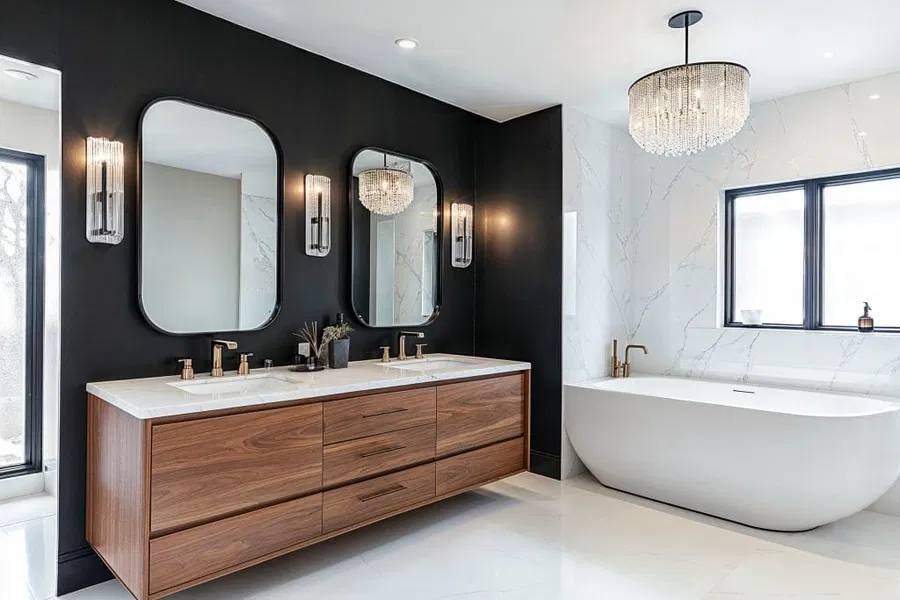
Renovation is more than a cosmetic upgrade—it’s a strategic process that improves functionality, comfort, and long-term value. Whether you’re refreshing a single room or reworking an entire property, a well-planned renovation can dramatically change how a space looks and feels while aligning it with modern needs.
What Renovation Really Means
Renovation refers to repairing, updating, or improving an existing structure without completely rebuilding it. This can include layout adjustments, material upgrades, energy-efficiency improvements, and aesthetic enhancements. Unlike remodeling, which often alters the structure’s purpose, renovation typically works within the original framework.
Why Homeowners Choose Renovation
People renovate for many reasons, but the most common motivations include:
-
Improved functionality to match changing lifestyles
-
Increased property value for resale or rental
-
Energy efficiency upgrades to reduce utility costs
-
Aesthetic modernization for outdated interiors
-
Maintenance and repairs to address wear and tear
A thoughtful renovation balances practical needs with design goals.
Types of Renovation Projects
Cosmetic Renovation
These projects focus on surface-level updates without structural changes. Examples include:
-
Painting walls and ceilings
-
Updating flooring or tiles
-
Replacing fixtures and hardware
Cosmetic renovations are cost-effective and ideal for quick transformations.
Functional Renovation
Functional upgrades improve how a space works day to day, such as:
-
Installing better storage solutions
-
Upgrading plumbing or electrical systems
-
Improving lighting layouts
These changes enhance usability and comfort.
Structural Renovation
Structural work involves more complex improvements, including:
-
Removing or adding walls
-
Reinforcing foundations or beams
-
Changing room layouts
This type of renovation requires professional planning and permits.
Planning a Successful Renovation
Set Clear Goals
Define what you want to achieve before starting. Ask yourself whether the focus is comfort, resale value, or efficiency. Clear goals guide every decision that follows.
Establish a Realistic Budget
A renovation budget should account for:
-
Materials and labor
-
Design and planning costs
-
Permits and inspections
-
A contingency fund for unexpected issues
Underestimating costs is one of the most common renovation mistakes.
Create a Timeline
Even small renovations can disrupt daily routines. A detailed timeline helps manage expectations and reduces stress during construction.
Choosing the Right Materials
Material selection affects durability, maintenance, and overall appearance. Prioritize:
-
Longevity over short-term trends
-
Ease of maintenance for high-traffic areas
-
Sustainability, such as recycled or energy-efficient materials
Quality materials often cost more upfront but save money over time.
Common Renovation Mistakes to Avoid
-
Skipping professional advice for complex work
-
Ignoring local building codes
-
Over-customizing beyond neighborhood standards
-
Focusing only on aesthetics while neglecting functionality
Avoiding these pitfalls helps ensure the renovation adds real value.
The Long-Term Benefits of Renovation
A well-executed renovation delivers lasting advantages. It can improve daily living, reduce maintenance costs, and make a property more competitive in the market. More importantly, it allows homeowners to adapt existing spaces instead of starting from scratch.
Frequently Asked Questions (FAQ)
What is the difference between renovation and remodeling?
Renovation updates or restores existing features, while remodeling changes the structure or purpose of a space.
How long does a typical home renovation take?
Timelines vary, but small renovations may take weeks, while larger projects can last several months.
Is renovation a good investment?
Yes, especially when focused on kitchens, bathrooms, and energy efficiency, which often yield strong returns.
Do I need permits for renovation work?
Permits are usually required for structural, electrical, or plumbing changes, depending on local regulations.
How can I reduce renovation costs without sacrificing quality?
Careful planning, prioritizing essential upgrades, and choosing durable materials help control costs.
Can I live in my home during renovation?
It depends on the project scope. Minor renovations are manageable, while major work may require temporary relocation.
What should I renovate first in an older home?
Start with structural integrity, plumbing, electrical systems, and insulation before cosmetic upgrades.