
Roofing is one of the most critical components of any building. It protects the structure from weather, improves energy efficiency, and significantly impacts overall property value. Whether you are constructing a new home, replacing an old roof, or simply trying to understand roofing options, having clear and accurate information helps you make better long-term decisions.
This guide explains roofing in practical terms, covering materials, installation, maintenance, and key considerations for homeowners and property managers.
What Is Roofing and Why It Matters
Roofing refers to the materials and systems used to cover the top of a building. A well-designed roof does more than block rain—it manages heat, resists wind, supports ventilation, and contributes to structural stability.
A properly installed and maintained roof can:
-
Protect interiors from water damage
-
Improve energy efficiency
-
Increase property resale value
-
Reduce long-term repair costs
Ignoring roofing issues often leads to leaks, mold growth, insulation damage, and structural deterioration.
Common Types of Roofing Materials
Choosing the right roofing material depends on climate, budget, building design, and lifespan expectations. Below are the most commonly used roofing options.
Asphalt Shingles
Asphalt shingles are the most popular roofing material in residential construction due to affordability and ease of installation.
Key features:
-
Cost-effective
-
Available in many colors and styles
-
Lifespan of 20–30 years
-
Moderate resistance to wind and weather
Metal Roofing
Metal roofing is known for durability and energy efficiency.
Advantages include:
-
Long lifespan (40–70 years)
-
Reflects heat, lowering cooling costs
-
Resistant to fire, rot, and insects
-
Suitable for both residential and commercial buildings
Tile Roofing
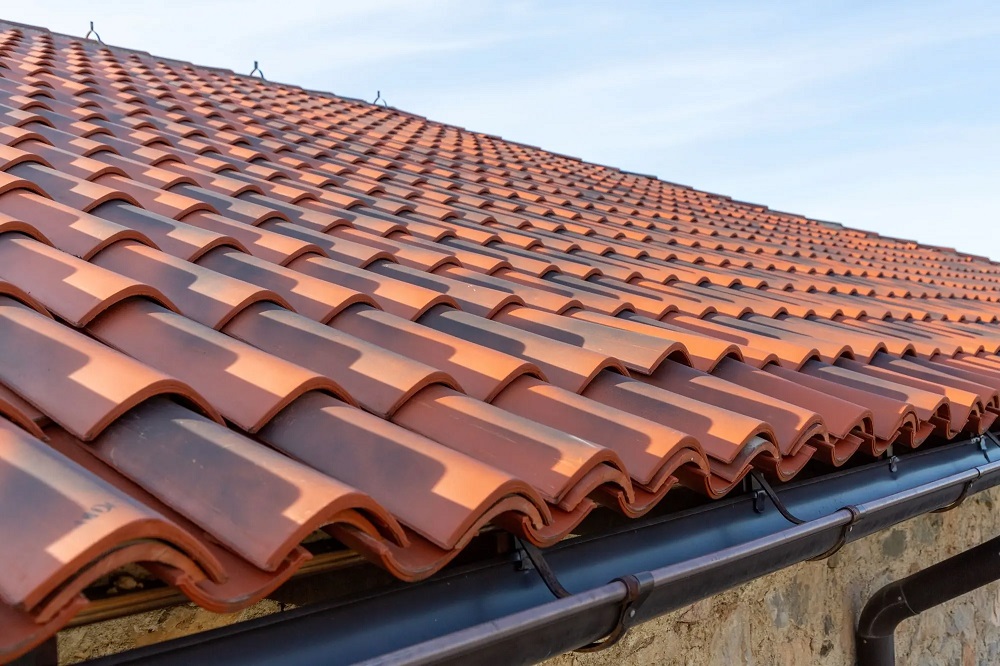
Clay and concrete tiles offer a distinctive appearance and excellent durability.
Benefits:
-
Lifespan of 50+ years
-
Resistant to fire and extreme weather
-
Ideal for warm or coastal climates
-
Requires strong structural support due to weight
Slate Roofing
Slate roofing is a premium option valued for its natural beauty and longevity.
Characteristics:
-
Can last over 100 years
-
Extremely durable
-
High upfront cost
-
Requires professional installation expertise
Flat Roofing Systems
Often used for commercial buildings, flat roofing systems include materials such as modified bitumen, EPDM, and TPO.
Common advantages:
-
Cost-effective for large surfaces
-
Easier access for maintenance
-
Suitable for solar panel installation
The Roofing Installation Process
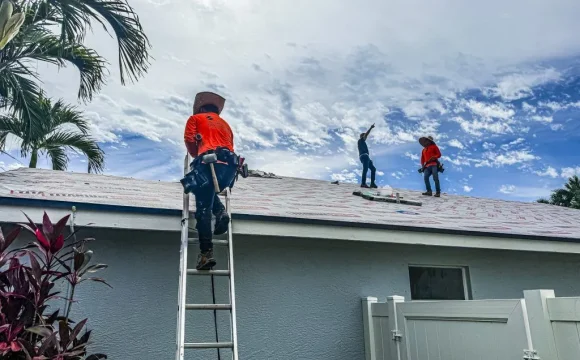
Roof installation is a multi-step process that must be done correctly to ensure long-term performance.
Inspection and Preparation
Before installation, professionals inspect the structure, remove old materials, and assess decking and insulation. Any damaged components must be repaired before proceeding.
Underlayment and Waterproofing
A protective underlayment is installed to create a moisture barrier. Flashing is added around chimneys, vents, and valleys to prevent leaks.
Material Installation
Roofing materials are installed following manufacturer guidelines and local building codes. Proper alignment, fastening, and sealing are essential at this stage.
Final Inspection
After installation, a final inspection ensures proper drainage, ventilation, and structural integrity.
Roof Maintenance and Care
Regular maintenance extends the life of your roof and prevents costly repairs.
Essential maintenance tasks include:
-
Inspecting the roof at least twice a year
-
Cleaning debris from gutters and valleys
-
Checking for missing, cracked, or curled materials
-
Addressing small leaks before they expand
Professional inspections are especially recommended after severe weather events.
Signs You May Need Roof Repair or Replacement
Knowing when to act can save money and prevent interior damage.
Warning signs include:
-
Persistent leaks or water stains
-
Sagging roof sections
-
Excessive granules in gutters
-
Cracked, missing, or warped roofing materials
-
Rising energy bills due to poor insulation
If multiple issues appear at once, full replacement may be more cost-effective than repeated repairs.
Roofing and Energy Efficiency
Modern roofing systems play a major role in controlling indoor temperatures. Reflective materials, proper ventilation, and insulation reduce heat transfer, lowering heating and cooling costs.
Energy-efficient roofing can:
-
Improve indoor comfort
-
Reduce HVAC strain
-
Lower monthly utility bills
-
Support eco-friendly building goals
Choosing the Right Roofing Contractor
Selecting a qualified contractor is just as important as choosing the right materials.
Look for contractors who offer:
-
Proper licensing and insurance
-
Clear written estimates
-
Material and workmanship warranties
-
Strong local references
Avoid rushed decisions and unusually low bids, as they often lead to poor workmanship.
Frequently Asked Questions About Roofing
How long does a typical roof last?
Roof lifespan depends on material and maintenance. Asphalt shingles last around 20–30 years, while metal, tile, and slate roofs can last several decades longer.
How often should a roof be inspected?
Roofs should be inspected at least once or twice a year and after major storms to catch early signs of damage.
Can I install a new roof over an old one?
In some cases, yes. However, installing over existing roofing can hide damage and reduce lifespan. A full tear-off is usually recommended for best results.
What is the best roofing material for extreme weather?
Metal and impact-resistant shingles perform well in harsh conditions, while tile and slate are excellent for heat resistance.
How long does roof installation take?
Most residential roof installations take one to three days, depending on size, material, and weather conditions.
Does roofing affect home resale value?
Yes. A new or well-maintained roof significantly improves curb appeal and reassures buyers about long-term structural integrity.
Is roof maintenance really necessary?
Absolutely. Routine maintenance prevents small issues from turning into expensive structural repairs.