

Freeport, Maine is a town that draws people in with its coastal charm, wooded neighborhoods, and proximity to Casco Bay. But the same natural surroundings that make this community so appealing also create ideal conditions for a wide range of household pests throughout the year. Knowing when to act, and when to call in professional help, can be the difference between a minor nuisance and a full-blown infestation that costs thousands of dollars to resolve. If you are a homeowner or property manager in the area, understanding the seasonal rhythms of local pest activity is one of the most practical things you can do. Reaching out to a reliable exterminator Freeport residents trust early in the season almost always leads to better outcomes than waiting until a problem has grown out of hand.
Pest behavior in Freeport follows predictable patterns tied closely to temperature, humidity, and the natural landscape. The town sits in a region that experiences genuine four-season weather, which means pest threats shift substantially from month to month. What works in spring will not cover you in fall, and a homeowner who only thinks about bugs during summer is likely already behind the curve by the time problems become visible.
Why Timing Your Pest Control Call Matters So Much
Most people call an exterminator only after they have seen clear evidence of an infestation. That reactive approach is understandable, but it is almost never the most effective or affordable strategy. Pest populations grow exponentially. A single mouse can become dozens within weeks. A small carpenter ant satellite colony can quietly hollow out structural wood for months before you notice anything.
Professional pest control is significantly more effective when it intercepts pest activity before populations establish themselves. Exterminators can apply preventive treatments, seal entry points, and identify vulnerabilities that are not obvious to an untrained eye. By the time droppings are visible in your pantry or you are hearing scratching inside the walls at night, the infestation is already well established.
The timing of your call also affects cost. Early-stage infestations require less product, fewer visits, and less labor to resolve. Severe or long-standing infestations often require multiple treatment rounds, structural repairs, and extended follow-up monitoring.
Spring: The First Critical Window
Late March through May is one of the most important times to get a professional inspection in Freeport. As temperatures rise and the ground thaws, pest activity surges across nearly every species. This is the season when ants emerge from overwintering, carpenter bees begin boring into exterior wood, ticks become active in yards and wooded areas, and wasps start building new nests from scratch.
Carpenter Ants in Spring
Carpenter ants are one of the most destructive pests specific to New England homes, and Freeport’s mix of older homes and mature trees makes it particularly vulnerable. These ants do not eat wood but excavate it to build their galleries, preferring wood that has been softened by moisture or decay.
Spring is when satellite colonies inside walls and attics become active after overwintering. Seeing large black ants inside your home in April or May is not a seasonal fluke. It is a reliable indicator that a colony has been established in your structure and has been growing since the previous year. Calling an exterminator at this point, rather than waiting to see if the ants go away on their own, makes a significant difference in how much damage is avoided.
Signs that warrant a spring call:
- Large black ants appearing inside the home near windows, sinks, or wooden structures
- Sawdust-like frass near baseboards, door frames, or in crawl spaces
- Ants emerging from wall outlets or window casings
- A faint crackling or rustling sound inside walls during quiet evenings
Ticks and Yard Treatments in Spring
Freeport’s proximity to wooded areas and its deer population make tick pressure a genuine concern. Black-legged ticks, the primary carrier of Lyme disease in Maine, become active as soon as temperatures consistently exceed freezing, which can happen as early as late February during mild winters.
Spring is the ideal time to schedule a professional yard perimeter treatment. Treating before tick nymph season, which peaks in May and June, dramatically reduces exposure for your family and pets throughout the warmer months. Waiting until you have found a tick on a child or pet means the population in your yard is already established.
Summer: Peak Activity Across Multiple Pest Types
June through August brings the highest overall pest pressure of the year in Freeport. Warm temperatures and coastal humidity accelerate breeding cycles, and pest activity is at its most visible and aggressive during these months.
Mosquitoes
Coastal communities near tidal marshes and estuaries face elevated mosquito pressure, and Freeport is no exception. Standing water in gutters, low spots in the yard, ornamental ponds, and even children’s toys can support mosquito breeding. Female mosquitoes lay eggs in as little as a bottle cap’s worth of water.
A professional mosquito treatment applied in late May or early June, before the first major hatch, sets up a protective barrier for the season. Treatments typically need to be reapplied every three to four weeks during peak summer months for maximum effectiveness.
Stinging Insects
Yellow jackets, bald-faced hornets, and paper wasps all reach peak colony size in July and August. A nest that was the size of a golf ball in May can be the size of a basketball by late summer, containing thousands of individuals. This is when stinging insects become genuinely dangerous, particularly for anyone with allergies.
You should call an exterminator immediately if:
- You discover a nest inside a wall void, attic, or under a deck
- A nest is located near a doorway, walkway, or play area
- Nest removal attempts have already been made and failed
- Multiple people have been stung in a short period near a specific area of the yard
Never attempt to seal an active nest inside a wall. This traps the colony and forces wasps to chew through interior walls to escape, often emerging inside the living space of the home.
Fleas and Wildlife-Linked Pests
Summer also brings increased flea activity, particularly in homes with pets that spend time outdoors. Fleas can survive in shaded outdoor areas and are often introduced by wildlife passing through the yard before ever attaching to a pet. A professional yard treatment combined with pet-appropriate flea prevention provides far more comprehensive protection than topical pet treatments alone.
Fall: The Most Overlooked Season for Pest Control
Many Freeport homeowners mistakenly believe that the arrival of fall signals an end to pest problems. In reality, fall is one of the most consequential seasons for pest control, and it is also the most commonly neglected.
Rodent Season Begins in September
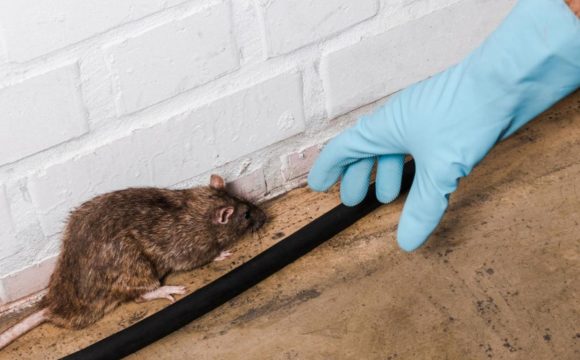
Mice and rats begin seeking warm harborage as temperatures drop, and they start moving indoors far earlier than most people expect. By October, rodent populations inside homes in Maine are already well established. September is the month to act.
A professional fall inspection focuses on identifying and sealing entry points before rodents find them. A deer mouse can squeeze through a gap the size of a dime. Norway rats need only a space the size of a quarter. Common entry points include:
- Gaps around pipes and utility lines entering the foundation
- Cracks in the sill plate or foundation wall
- Spaces under garage doors or around weather stripping that has degraded
- Openings around dryer vents, AC conduit, or cable lines
- Unscreened vents in crawl spaces or gable ends
Rodents cause serious damage by chewing through electrical wiring, insulation, and structural materials. They contaminate stored food and surfaces with droppings and urine, and in Maine, deer mice are known carriers of hantavirus.
Overwintering Insects
Several insect species use fall as the time to move into wall voids and attic spaces where they will spend the winter dormant. Cluster flies, boxelder bugs, and stink bugs are the most common. They enter through small gaps in siding, around window frames, and under eaves. While these insects are not destructive, they become a significant nuisance in late winter and early spring when they warm up and move into living areas.
A preventive fall treatment applied to the exterior of the home in September or October, before these insects begin congregating on sun-warmed walls, is far more effective than trying to treat them once they are already inside the wall cavities.
Winter: When Indoor Pest Problems Become Undeniable
Cold weather does not create a pest-free home. Rodents remain fully active year-round inside a heated structure. Overwintering insects may emerge on warm days. And the dry indoor air of a heated home can actually support certain pests like silverfish and cockroaches that thrive in stable conditions.
Winter is also the time when homeowners most often discover pest problems they did not know existed. Finding droppings, hearing activity in the walls, or seeing insects emerging from heating vents are all indicators of established infestations that began months earlier. When these signs appear in winter, calling an exterminator promptly remains the right call. Waiting until spring will allow the population to grow further.
Specific Situations That Always Warrant an Immediate Call
Regardless of the season, certain situations require contacting a professional without delay:
- Any confirmed or suspected bed bug activity, including small blood spots on bedding or unexplained bites
- Evidence of rodent activity inside the home, including droppings, gnaw marks, or nesting material
- Structural damage that appears consistent with carpenter ant or wood-boring beetle activity
- Discovery of a large stinging insect nest inside the structure of the home
- Wildlife such as squirrels, raccoons, or bats entering the attic or crawl space, which often brings secondary pest problems including fleas, mites, and ticks
Frequently Asked Questions
How do I know if I need a one-time treatment or an ongoing service plan? One-time treatments are effective for isolated, identifiable problems like a single wasp nest or a new rodent entry point that has been sealed. Ongoing service plans make more sense for homeowners with recurring issues, properties surrounded by heavy vegetation or woods, older homes with multiple potential entry points, or anyone who wants consistent year-round monitoring. An exterminator can assess your specific property and recommend what actually fits your situation rather than a one-size-fits-all approach.
Is it safe to have pest control treatments done with children or pets in the home? Modern pest control products used by licensed professionals are formulated to be effective against target pests while minimizing risk to people and animals when applied correctly. Your exterminator will give you specific instructions about any temporary precautions, such as keeping pets off treated lawn areas until dry or ventilating a treated space before re-entry. Following those instructions closely is all that is typically required.
What should I do to prepare my home before an exterminator arrives? For interior treatments, clear access to baseboards, under sinks, and inside cabinets. Store loose food in sealed containers and put pet food and water bowls away. For exterior treatments, move outdoor furniture and toys away from the perimeter of the home. Your pest control provider will give you a specific preparation checklist based on the type of treatment being performed.
Can pests develop resistance to treatments over time? Some insect populations, particularly certain strains of bed bugs and cockroaches, have developed resistance to specific chemical classes. This is one reason why professional pest control relies on rotating treatment approaches and using multiple modes of action rather than repeatedly applying the same product. A licensed exterminator will be aware of resistance patterns in the local pest population and adjust treatment protocols accordingly.
If I only see one or two mice, does that mean the infestation is small? Not necessarily. Mice are nocturnal and highly cautious around new objects in their environment, including traps. Seeing one or two mice during daylight hours often indicates a larger population, since bolder individuals tend to become visible only when competition for resources within the nest is high. A professional inspection can assess the true scale of the problem through signs like runway grease marks, droppings distribution, and entry point evidence rather than relying on visible sightings alone.