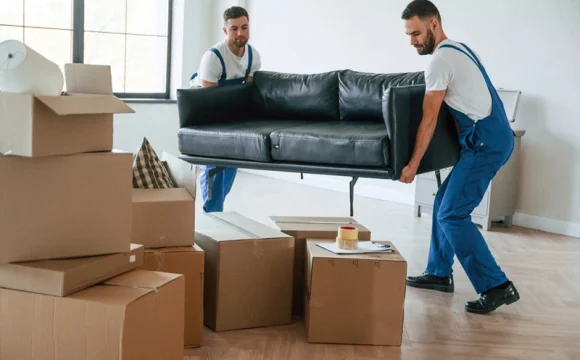


Moving is more than transporting boxes from one place to another. It’s a transition that blends logistics, emotions, planning, and adaptability. Whether you’re relocating across the street or to a new city, understanding how to approach moving methodically can save time, money, and unnecessary stress.
This guide breaks down the moving process into clear, manageable steps so you can stay organized and confident from start to finish.
Understanding the Moving Process
At its core, moving involves three major phases:
-
Preparation and planning
-
Execution on moving day
-
Settling into the new space
Each phase has its own challenges, and skipping steps often leads to delays, damaged items, or last-minute chaos.
Planning Ahead: The Foundation of a Successful Move
Early planning is the single biggest factor in a smooth relocation. Ideally, preparation should begin 4–8 weeks before moving day.
Create a Moving Checklist
A detailed checklist helps prevent forgotten tasks and keeps everything on track. Common items include:
-
Sorting and decluttering belongings
-
Booking movers or renting a truck
-
Collecting packing supplies
-
Updating addresses and utilities
-
Scheduling time off work
Breaking tasks into weekly goals makes the process feel manageable instead of overwhelming.
Set a Realistic Moving Budget
Moving costs can add up quickly. Your budget may include:
-
Packing supplies
-
Professional movers or truck rental
-
Fuel, tolls, or travel expenses
-
Temporary storage
-
Cleaning services
Having a clear budget upfront helps avoid surprise expenses later.
Decluttering Before You Pack
Moving is the perfect opportunity to reduce clutter. Packing items you no longer use wastes time, space, and money.
Ask yourself:
-
Have I used this in the last year?
-
Would I replace it if it were lost?
-
Does it fit my new space or lifestyle?
Items you don’t need can be donated, sold, recycled, or discarded, lightening your load and simplifying unpacking.
Packing Smart and Efficient
Packing isn’t just about putting items in boxes—it’s about protecting your belongings and making unpacking easier.
Use the Right Packing Strategy
-
Label boxes clearly with room names and contents
-
Pack heavier items in smaller boxes
-
Wrap fragile items individually
-
Keep essential items together
An essentials box with toiletries, chargers, documents, and basic kitchen items can make the first night far more comfortable.
Protect Valuable and Fragile Items
Important documents, jewelry, electronics, and irreplaceable items should be packed separately and kept with you whenever possible.
Choosing Between DIY and Professional Movers
Both options have advantages depending on your situation.
DIY Moving
Best for:
-
Short-distance moves
-
Smaller households
-
Tight budgets
It offers flexibility and lower upfront costs but requires more physical effort and coordination.
Professional Movers
Best for:
-
Long-distance moves
-
Large homes
-
Heavy or specialty items
Professional movers save time and reduce physical strain, especially for furniture and appliances.
Moving Day: Staying in Control
Moving day can feel hectic, but preparation makes a huge difference.
Tips for a Smooth Moving Day
-
Start early to avoid delays
-
Keep important documents accessible
-
Do a final walkthrough before leaving
-
Stay hydrated and take breaks
Clear communication with everyone involved ensures the day stays on schedule.
Settling Into Your New Home
Once the boxes arrive, the move isn’t over—it’s just entering its final phase.
Unpack with Purpose
Focus on essential rooms first:
-
Bedroom
-
Bathroom
-
Kitchen
Gradual unpacking helps prevent burnout and allows you to organize intentionally rather than rushing.
Take Time to Adjust
It’s normal for a new place to feel unfamiliar at first. Give yourself time to adapt, explore the neighborhood, and establish routines.
Common Moving Mistakes to Avoid
-
Waiting too long to start packing
-
Underestimating time and costs
-
Failing to label boxes properly
-
Forgetting to update addresses
-
Not measuring furniture and doorways
Avoiding these pitfalls can save significant frustration.
Frequently Asked Questions (FAQ)
How far in advance should I start planning a move?
Ideally, planning should begin at least one to two months before your moving date, especially if you’re hiring movers.
What should I pack first when moving?
Start with items you use the least, such as seasonal clothing, decor, and storage items.
Is it better to move on a weekday or weekend?
Weekdays are often cheaper and less busy, while weekends offer convenience for work schedules.
How can I reduce moving costs?
Decluttering, packing yourself, comparing quotes, and moving during off-peak seasons can significantly lower costs.
What items should not be packed in a moving truck?
Important documents, medications, valuables, and perishable items should always stay with you.
How do I stay organized during unpacking?
Unpack room by room, follow box labels, and avoid opening everything at once.
How long does it take to feel settled after moving?
Adjustment time varies, but most people feel comfortable within a few weeks as routines develop.