
Interior design is more than choosing colors or arranging furniture. It is the thoughtful art and science of shaping interior spaces so they are functional, visually appealing, and emotionally comfortable. Whether designing a compact apartment or a spacious home, good interior design balances aesthetics with daily living needs.
What Is Interior Design?
Interior design focuses on improving the interior environment of a space to enhance quality of life. It involves planning layouts, selecting materials, coordinating colors, and ensuring that lighting, furniture, and décor work together cohesively.
A well-designed interior:
-
Supports everyday activities
-
Reflects personal style
-
Uses space efficiently
-
Creates a sense of comfort and harmony
Core Principles of Interior Design
Strong interiors are built on a few timeless principles that guide every design decision.
Balance
Balance ensures visual stability within a room.
-
Symmetrical balance uses mirrored elements for a formal look
-
Asymmetrical balance creates interest through contrast
-
Radial balance arranges elements around a central point
Proportion and Scale
Furniture and décor must relate to the size of the room and to each other. Oversized furniture in small spaces or tiny décor in large rooms can feel awkward and uninviting.
Harmony and Unity
A consistent color palette, material selection, and style theme help a space feel complete rather than chaotic.
Emphasis
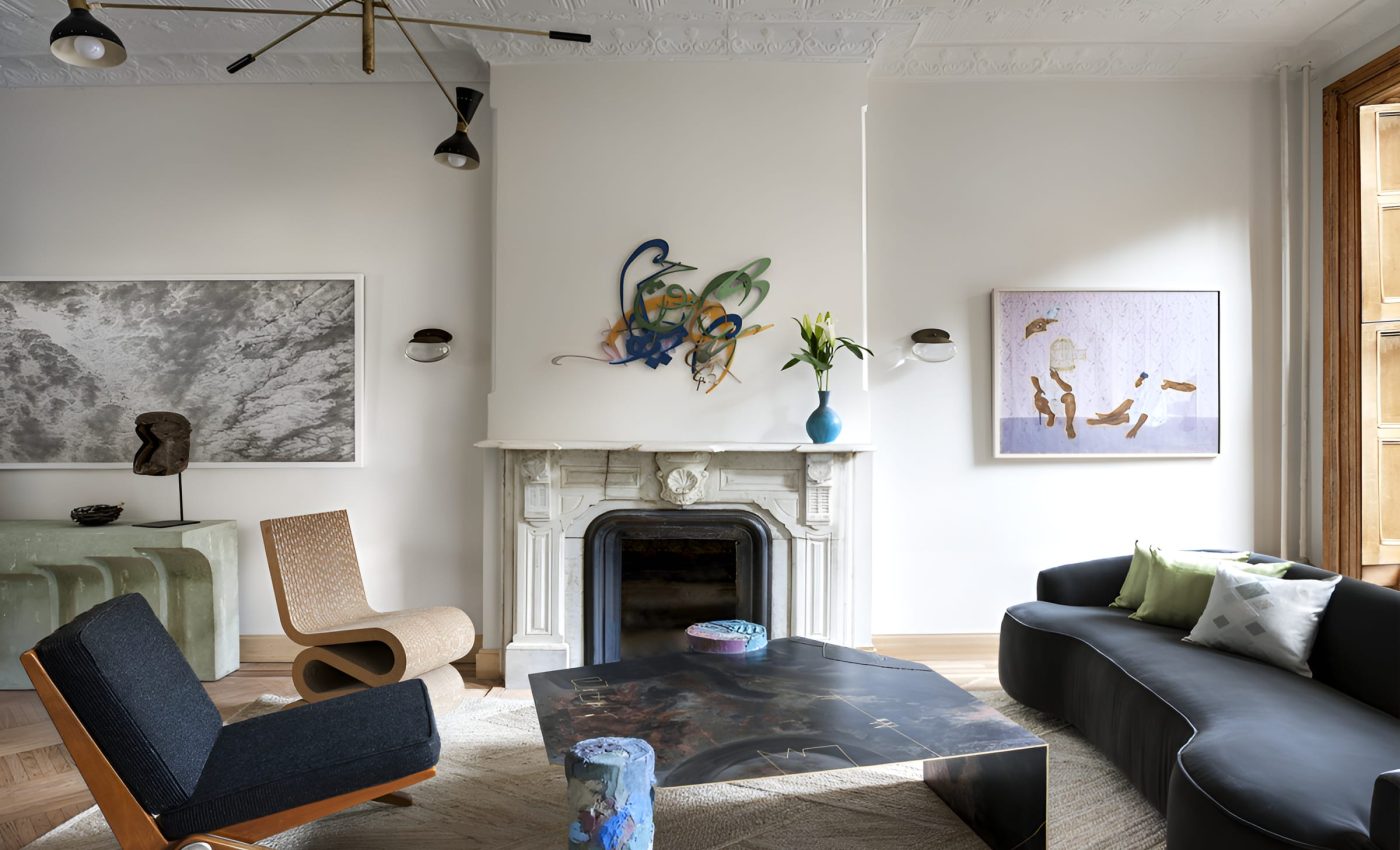
Every room benefits from a focal point, such as:
-
A statement wall
-
A fireplace
-
A bold piece of artwork
Popular Interior Design Styles
Choosing a design style provides a foundation for all other decisions.
Modern Interior Design
-
Clean lines and minimal ornamentation
-
Neutral colors with subtle accents
-
Emphasis on function and simplicity
Contemporary Interior Design
-
Ever-evolving and trend-driven
-
Mix of textures, metals, and finishes
-
Open layouts and natural light
Scandinavian Design
-
Light colors and natural materials
-
Simple forms with cozy elements
-
Focus on comfort and practicality
Traditional Design
-
Rich colors and classic furniture
-
Symmetry and elegant details
-
Timeless appeal rather than trends
The Role of Color in Interior Design
Color shapes mood and perception more than any other element.
-
Light colors make rooms feel larger and brighter
-
Dark tones add depth and sophistication
-
Warm shades create comfort and energy
-
Cool hues promote calm and relaxation
Designers often use the 60-30-10 rule:
-
60% dominant color
-
30% secondary color
-
10% accent color
Furniture Selection and Space Planning
Furniture should support both function and movement.
Key considerations include:
-
Traffic flow and walking paths
-
Multi-functional furniture for small spaces
-
Comfort and ergonomics
-
Visual weight and spacing
Avoid overcrowding by leaving breathing room between major pieces.
Lighting: The Unsung Hero of Interior Design
Lighting transforms how a space feels and functions.
Types of Lighting
-
Ambient lighting for overall illumination
-
Task lighting for focused activities
-
Accent lighting to highlight architectural features or décor
Layering these light sources creates depth and flexibility throughout the day.
Materials, Textures, and Finishes
Texture adds richness and prevents interiors from feeling flat.
Common combinations include:
-
Wood with metal for warmth and contrast
-
Soft textiles against hard surfaces
-
Matte finishes paired with glossy accents
Mixing textures thoughtfully enhances both visual and tactile appeal.
Sustainable Interior Design
Sustainability is becoming a core aspect of modern interiors.
Eco-conscious design choices include:
-
Energy-efficient lighting
-
Recycled or reclaimed materials
-
Low-VOC paints and finishes
-
Durable furniture that lasts longer
Sustainable interiors benefit both the environment and long-term living comfort.
Personalization: Making a Space Truly Yours
The most successful interiors reflect the people who live in them. Personal items, meaningful art, and custom layouts bring authenticity and warmth that no trend can replace.
Interior design works best when style serves lifestyle, not the other way around.
Frequently Asked Questions (FAQ)
What is the difference between interior design and interior decorating?
Interior design focuses on space planning, functionality, and structural elements, while decorating deals mainly with surface-level aesthetics like furniture and décor.
How do I choose the right interior design style for my home?
Start by assessing your lifestyle, preferences, and the architecture of your space. Choose a style that supports how you live rather than following trends alone.
Can small spaces still have good interior design?
Yes. Smart layout planning, light colors, mirrors, and multi-functional furniture can make small spaces both stylish and practical.
How important is lighting in interior design?
Lighting is essential. It affects mood, functionality, and how colors and textures appear within a space.
What are common interior design mistakes to avoid?
Overcrowding furniture, ignoring scale, poor lighting, and inconsistent color schemes are among the most common issues.
Is interior design expensive?
Interior design can be adapted to any budget. Strategic choices and prioritizing key elements can achieve great results without excessive spending.
How often should interior design be updated?
There is no fixed timeline. Updating interiors usually depends on lifestyle changes, wear and tear, or evolving personal tastes.