

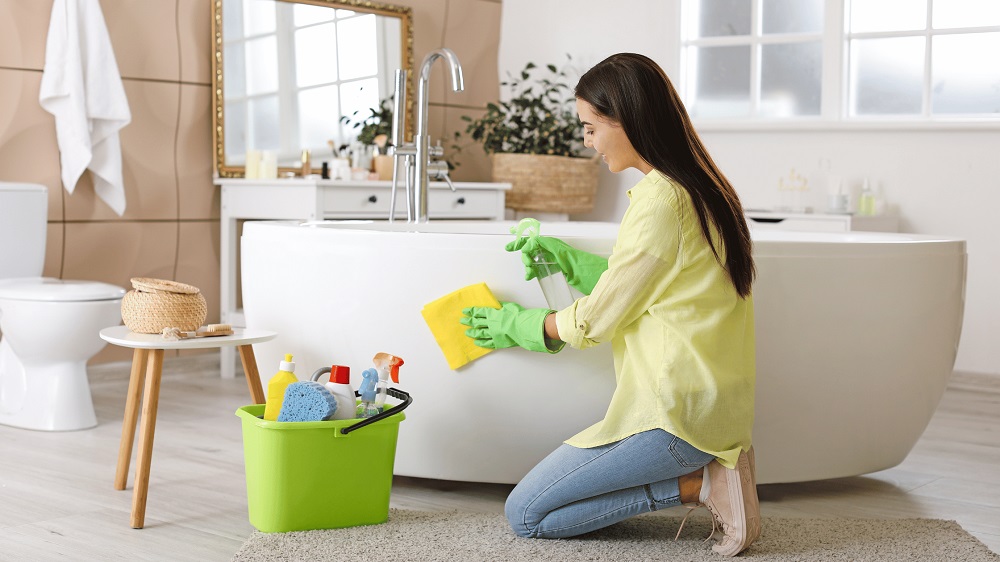
Cleaning is more than a visual upgrade—it directly affects health, comfort, and productivity. A well-planned cleaning approach saves time, reduces stress, and helps maintain a safe living environment. This guide breaks down cleaning into clear, manageable practices that work for real homes and real schedules.
Why Cleaning Matters More Than You Think
A consistently clean space supports both physical and mental well-being. Dust, bacteria, and clutter don’t just look bad—they quietly impact daily life.
Key benefits of regular cleaning include:
-
Reduced allergens and germs
-
Improved indoor air quality
-
Lower stress and mental fatigue
-
Longer lifespan of furniture and appliances
Types of Cleaning You Should Know
Not all cleaning serves the same purpose. Understanding the differences helps you prioritize tasks effectively.
Routine Cleaning
This focuses on everyday maintenance to keep spaces functional and tidy.
-
Sweeping and mopping floors
-
Wiping kitchen counters
-
Taking out trash
-
Light bathroom cleaning
Deep Cleaning
Deep cleaning targets hidden dirt and buildup that routine cleaning misses.
-
Scrubbing grout and tiles
-
Cleaning behind appliances
-
Washing baseboards and vents
-
Deep carpet and upholstery care
Seasonal Cleaning
Often done quarterly or twice a year, seasonal cleaning resets your home.
-
Decluttering storage areas
-
Washing curtains and blinds
-
Flipping mattresses
-
Cleaning outdoor spaces
Essential Cleaning Tools and Supplies
Having the right tools makes cleaning faster and more effective.
Must-have cleaning supplies:
-
Microfiber cloths
-
All-purpose cleaner
-
Disinfectant spray
-
Baking soda and vinegar
-
Mop and bucket
-
Vacuum with attachments
-
Gloves for hand protection
Choosing eco-friendly products can also reduce chemical exposure and environmental impact.
Room-by-Room Cleaning Strategy
Breaking cleaning into zones prevents overwhelm and improves consistency.
Kitchen
The kitchen requires frequent attention due to food handling.
-
Clean countertops daily
-
Disinfect sinks and cutting boards
-
Empty trash regularly
-
Deep clean appliances monthly
Bathroom
Bathrooms are high-moisture areas prone to bacteria.
-
Scrub toilets and sinks weekly
-
Clean mirrors and fixtures
-
Replace towels often
-
Control mold with proper ventilation
Living Areas
These spaces collect dust and clutter quickly.
-
Dust surfaces weekly
-
Vacuum furniture and floors
-
Declutter magazines and unused items
-
Spot-clean stains promptly
Bedrooms
Clean bedrooms promote better sleep and relaxation.
-
Change bed linens weekly
-
Vacuum under the bed
-
Dust nightstands and shelves
-
Keep closets organized
Time-Saving Cleaning Tips
Efficiency matters when balancing work and home life.
Smart cleaning habits include:
-
Clean as you go
-
Use a timer for focused sessions
-
Start from top to bottom
-
Keep supplies easily accessible
-
Follow a weekly cleaning checklist
Common Cleaning Mistakes to Avoid
Even with good intentions, some habits reduce effectiveness.
-
Using too much cleaning product
-
Mixing chemical cleaners
-
Ignoring high-touch surfaces
-
Skipping regular maintenance
-
Cleaning without proper ventilation
Sustainable and Eco-Friendly Cleaning Practices
Green cleaning protects both health and the environment.
-
Use reusable cloths instead of paper towels
-
Choose biodegradable cleaners
-
Reduce water waste
-
Make simple DIY cleaners using natural ingredients
Conclusion
Cleaning doesn’t have to be exhausting or complicated. With the right tools, clear routines, and a room-by-room strategy, maintaining a clean home becomes manageable and rewarding. Consistency—not perfection—is what truly makes a difference.
Frequently Asked Questions (FAQ)
1. How often should a home be deep cleaned?
Most homes benefit from deep cleaning every 3–6 months, depending on occupancy and lifestyle.
2. What is the safest way to clean without harsh chemicals?
Using natural options like vinegar, baking soda, and plant-based cleaners is both effective and safer.
3. Is it better to clean daily or weekly?
Light daily cleaning combined with a structured weekly routine works best for most households.
4. How can I stay motivated to clean regularly?
Breaking tasks into small steps and following a checklist helps maintain consistency.
5. Which areas of the home get dirty the fastest?
Kitchens, bathrooms, and entryways typically accumulate dirt and germs more quickly.
6. Can clutter affect mental health?
Yes, clutter can increase stress, reduce focus, and negatively impact mood.
7. What cleaning tasks are often overlooked?
Commonly missed areas include light switches, door handles, remote controls, and baseboards.