

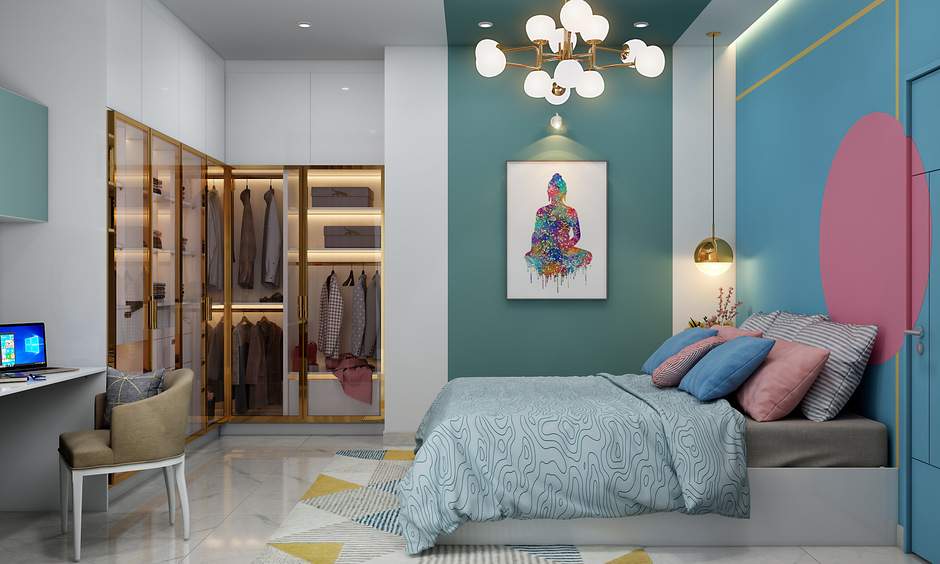
The bedroom is more than a place to sleep. It is a personal retreat where comfort, relaxation, and self-expression come together. A well-designed bedroom supports better rest, improves mood, and reflects your lifestyle through thoughtful choices in layout, colors, lighting, and décor.
The Purpose of a Bedroom
At its core, the bedroom is meant for rest and rejuvenation, but modern bedrooms often serve multiple purposes. From reading and working to unwinding after a long day, the space should balance calmness with functionality.
Key roles of a bedroom include:
-
Supporting quality sleep
-
Providing privacy and comfort
-
Creating a sense of emotional well-being
-
Reflecting personal taste and identity
Bedroom Layout and Space Planning
A good layout ensures that the bedroom feels open, organized, and easy to move around in. The size and shape of the room should guide furniture placement rather than forcing a fixed arrangement.
Practical layout tips:
-
Place the bed where it feels visually balanced, usually against the main wall
-
Keep walkways clear to avoid a cramped feeling
-
Use vertical space with shelves or tall wardrobes in smaller rooms
-
Avoid overcrowding with unnecessary furniture
Choosing the Right Bedroom Furniture
Furniture defines both comfort and usability. Every piece should have a clear purpose while maintaining visual harmony.
Essential bedroom furniture includes:
-
Bed and mattress for proper spinal support and comfort
-
Wardrobes or closets for organized storage
-
Nightstands for daily essentials like lamps and books
-
Dressers or chests for folded clothing and accessories
When possible, opt for furniture with built-in storage to maximize space without sacrificing style.
Bedroom Color Schemes and Mood
Color has a strong psychological impact in a bedroom. Soft, muted tones tend to promote relaxation, while bold colors add personality when used thoughtfully.
Popular bedroom color choices:
-
Neutral shades like beige, gray, and ivory for a calm atmosphere
-
Cool tones such as blue or green to encourage relaxation
-
Warm accents like terracotta or soft yellow for coziness
-
Dark tones like charcoal or navy for a dramatic, intimate feel
Using a balanced palette helps maintain visual harmony without overwhelming the space.
Lighting for a Relaxing Bedroom
Lighting plays a critical role in setting the mood. A single overhead light is rarely enough for a comfortable bedroom environment.
Effective bedroom lighting layers:
-
Ambient lighting for overall illumination
-
Task lighting such as bedside lamps for reading
-
Accent lighting like wall sconces or LED strips for ambiance
Warm light temperatures are generally preferred, as they create a soothing and restful environment.
Bedroom Décor and Personal Touches
Décor transforms a bedroom from functional to inviting. Thoughtfully chosen elements make the space feel personal without clutter.
Ideas to enhance bedroom décor:
-
Soft textiles like rugs, throws, and cushions
-
Wall art or framed photographs with personal meaning
-
Indoor plants for freshness and calm
-
Mirrors to reflect light and make the room feel larger
Keeping décor intentional helps maintain a peaceful atmosphere.
Creating a Sleep-Friendly Environment
A bedroom should encourage uninterrupted rest. Small changes can significantly improve sleep quality.
Key considerations:
-
Reduce noise with soft furnishings or soundproof curtains
-
Maintain comfortable temperature and airflow
-
Minimize screen exposure before bedtime
-
Use blackout curtains to block unwanted light
A sleep-focused bedroom supports both physical and mental health.
Frequently Asked Questions (FAQs)
1. What is the ideal size for a bedroom?
The ideal size depends on usage, but a comfortable bedroom should allow space for a bed, storage, and easy movement without feeling cramped.
2. How can I make a small bedroom look bigger?
Using light colors, mirrors, minimal furniture, and smart storage solutions can visually expand a small bedroom.
3. Which type of mattress is best for a bedroom?
The best mattress depends on personal comfort and sleeping position, but proper support and pressure relief are essential factors.
4. How often should bedroom décor be updated?
There is no fixed timeline. Updates can be made when styles change, furniture wears out, or personal preferences evolve.
5. Are plants suitable for bedrooms?
Yes, many plants are suitable and can improve air quality and relaxation when properly maintained.
6. What kind of lighting is best for reading in bed?
Adjustable bedside lamps or wall-mounted reading lights provide focused illumination without disturbing the rest of the room.
7. How can a bedroom feel more relaxing?
Keeping the space clutter-free, using calming colors, soft lighting, and comfortable bedding all contribute to a more relaxing bedroom.